OUR COMPANY
| |
origins
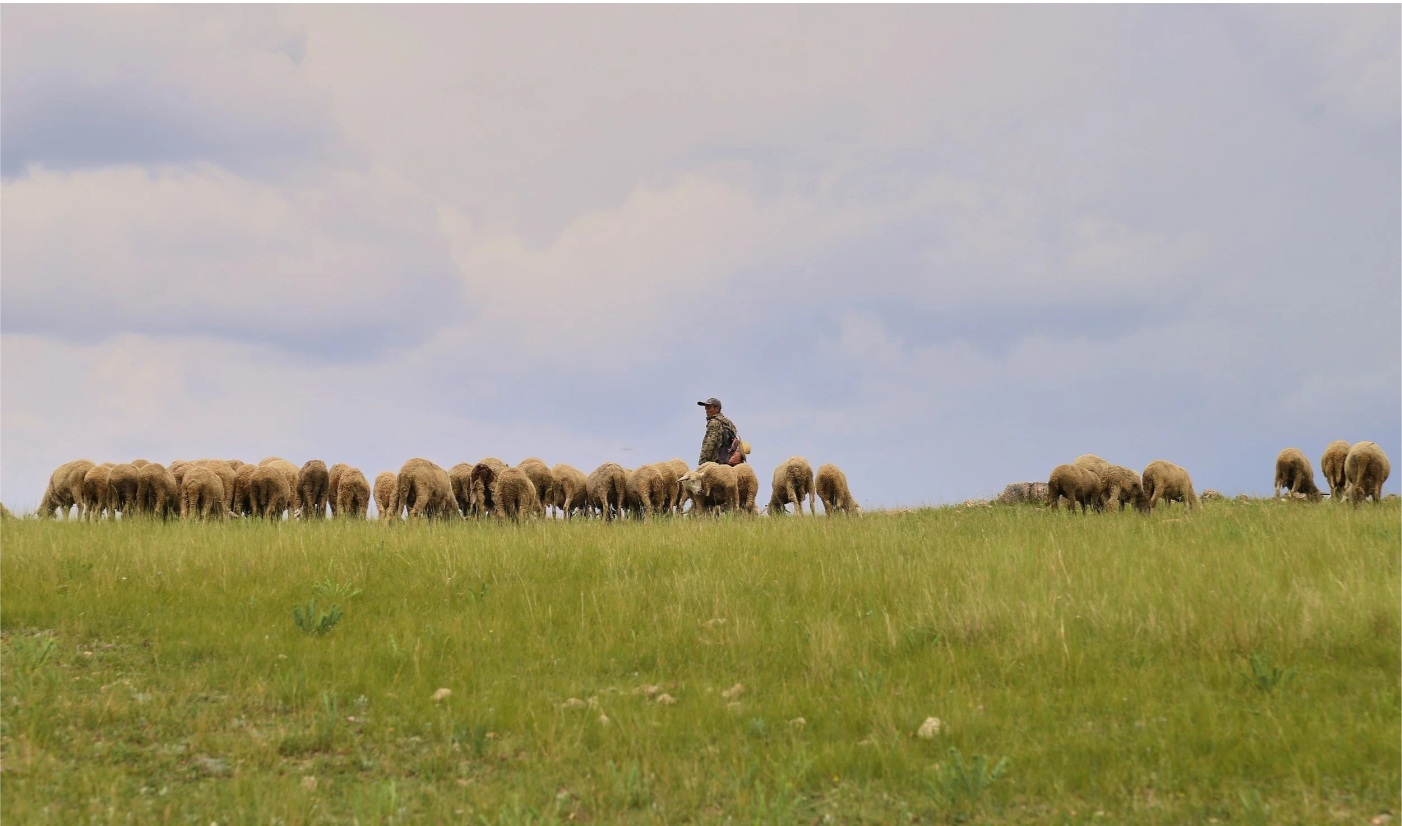
The Horezu cheesemaking facilities began taking shape in 2001, in a mountain area chosen for its long-established pastoral practices, climate and natural relief at the foothills of the Southern Carpathians.
This is a region shaped by shepherding rather than industrial sheep farming, where grazing and seasonal movement of flocks are part of everyday agricultural life.
A clear direction
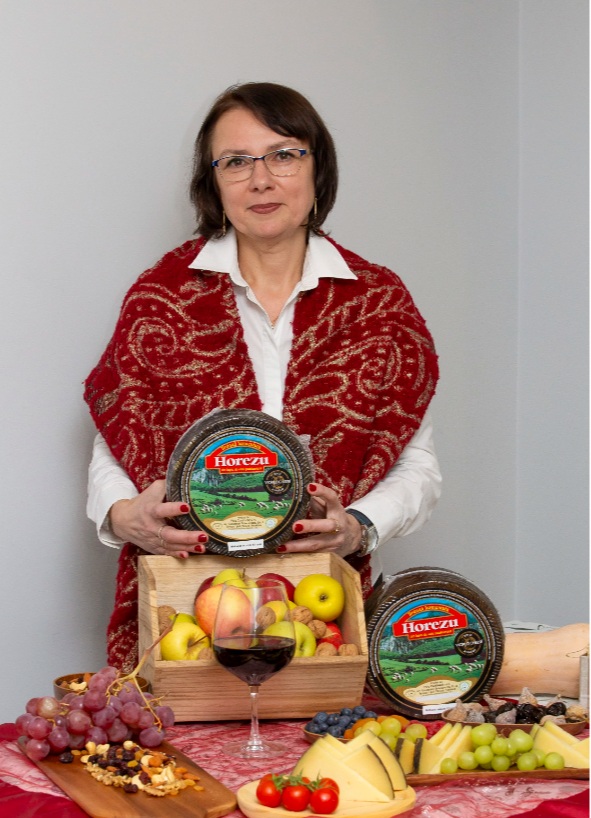
In 2014, Horezu entered a new phase under new management, guided by a clear ambition: to develop a sheep’s milk cheese capable of standing confidently on the international stage.From that moment on, the focus narrowed to a single cheese, with close attention given to recipe, process and consistency.
recognition built over time
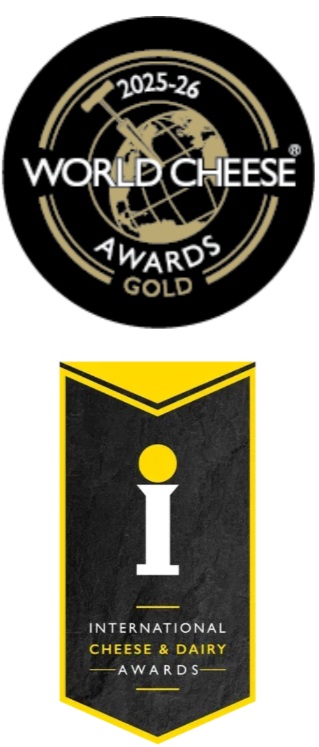
Regular participation in international competitions, including the International Cheese & Dairy Awards and the World Cheese Awards, has brought steady recognition.
11. 2025 WCA – GOLD – Bern – Switzerland
10. 2024 WCA – GOLD – Viseu – Portugal
9. 2024 WCA – SILVER – Viseu – Portugal
8. 2024 ICDA – BRONZE – Cheese with Health Benefits
7. 2022 ICDA – BRONZE - Cheese with Health Benefits
6. 2021 ICDA – SILVER – Chese with Health Benefits
5. 2024 WCA – BRONZE – Oviedo – Asturias – Spain
4. 2018 WCA – BRONZE – Bergen – Norway
3. 2018 ICDA – SILVER – Cheese with Health Benefits
2. 2017 ICDA – BRONZE – Cheese with Health Benefits
1. 2015 ICDA – HIGHLY COMMENDED AWARD – Cheese with Healty Benefits
Milk, breeds and seasons
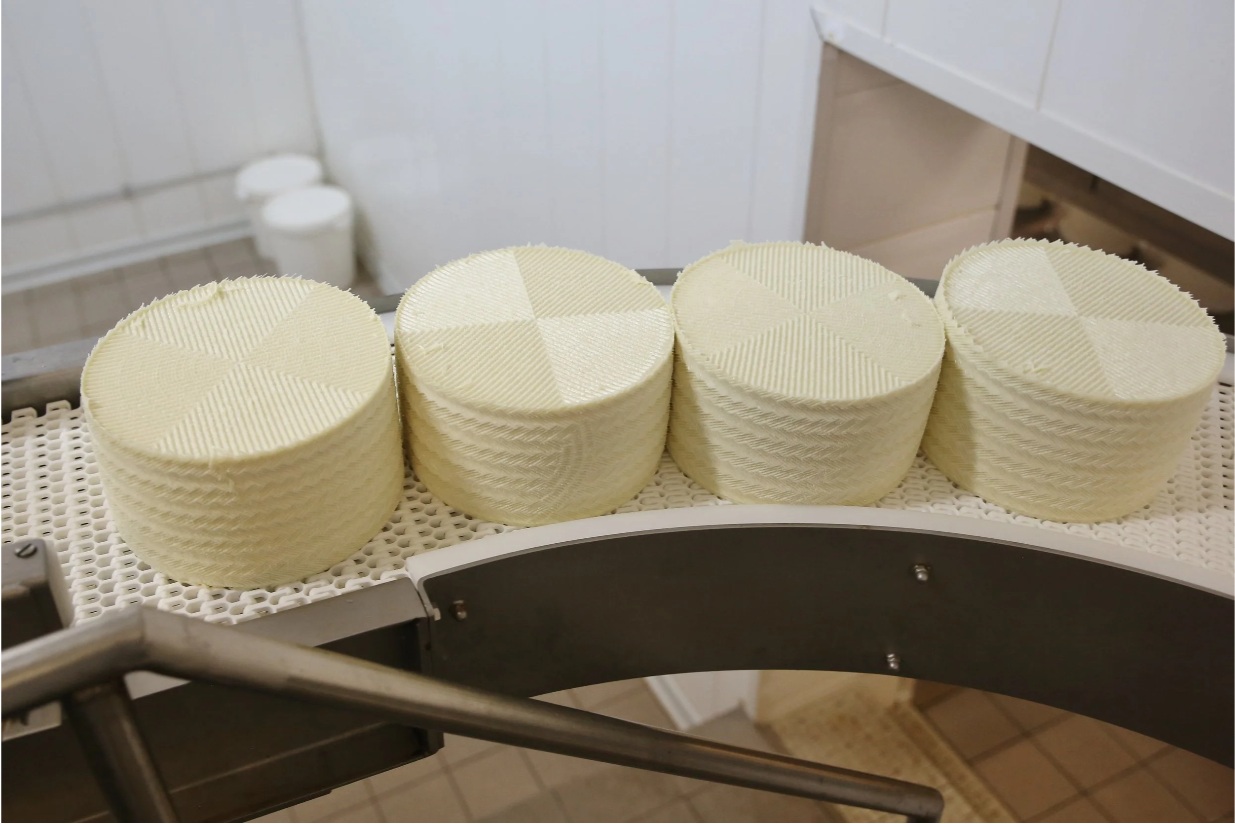
The milk used for Horezu cheese is sourced from three regions known for sheep grazing and pastoral traditions: Vâlcea, Gorj and Sibiu.
It comes from two sheep breeds, each contributing distinct qualities to the final cheese.
The Romanian Țurcană, a native mountain breed, well adapted to extensive grazing and seasonal conditions. Its milk is extremely valued for cheesemaking, offering balance and a close connection to place and season.
Alongside it, Lacaune sheep — internationally recognised for its role in established sheep’s milk cheese styles, contribute to consistency and structure to the milk blend.
process and maturation
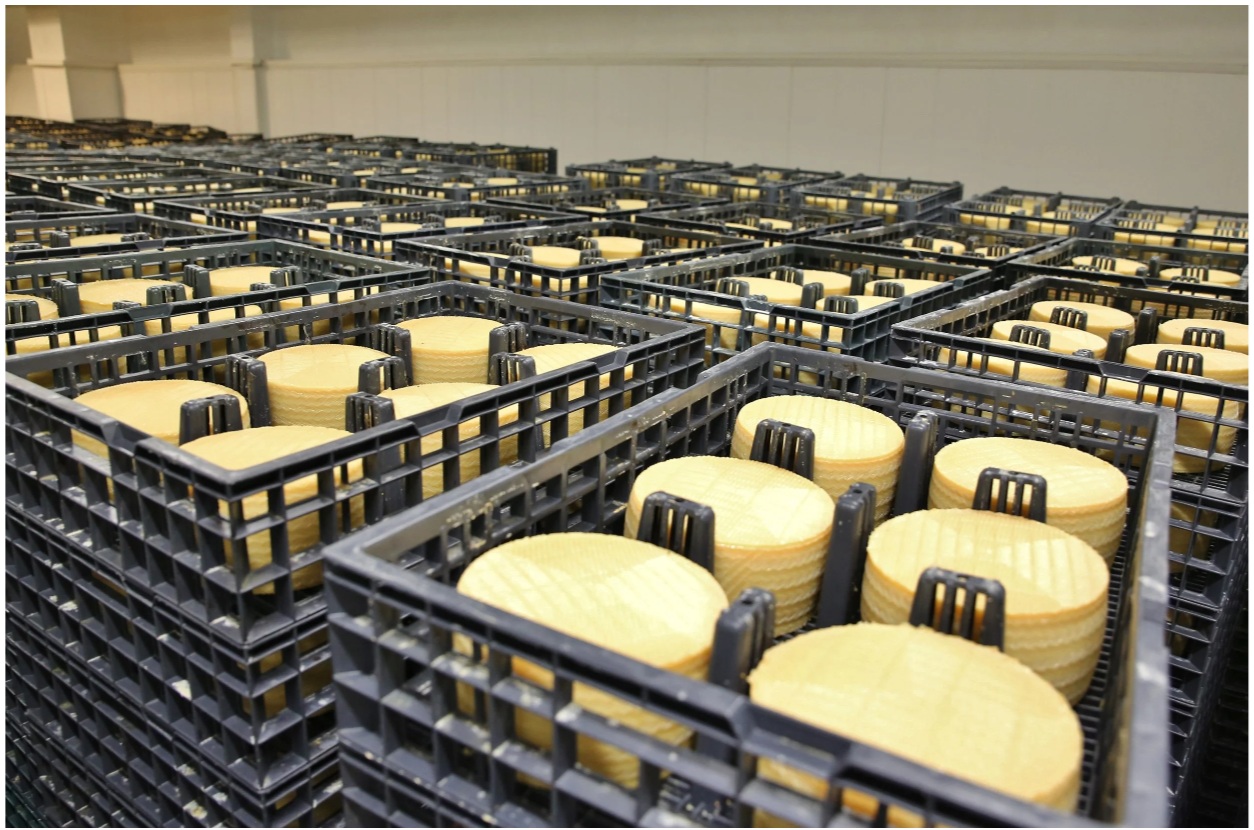
Every stage of cheesemaking is closely monitored and carried out with rigour, from milk handling to maturation.
Ageing takes place under controlled climatic conditions, allowing the cheese to develop gradually and consistently, resulting in a profile that reflects both its pastoral origin and the precision of the process.


